


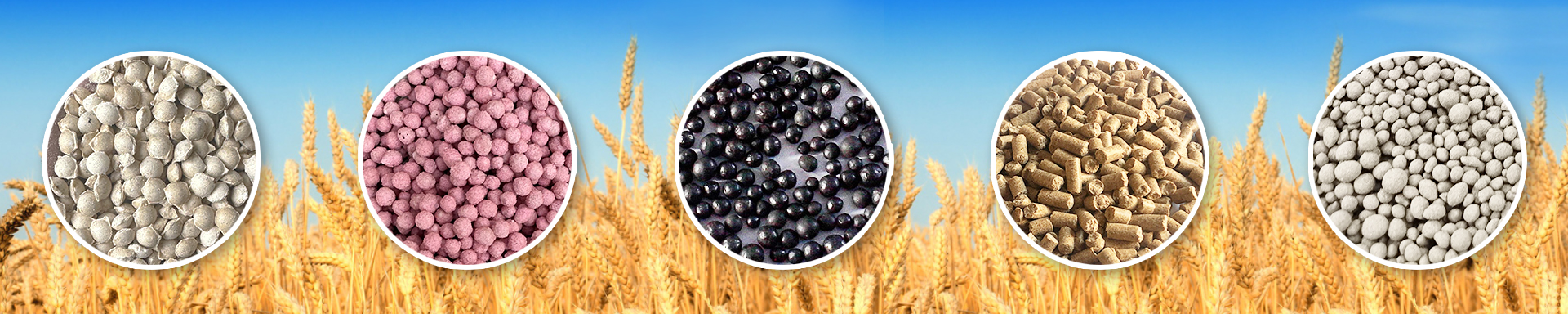
The Complete Organic Pellet Production Line Manure Pellet Machine
2026-01-07From Raw Waste to Bagged Product: The System Behind the Pellet
Purchasing a manure pellet machine is a major step, but it is only one component in a successful organic fertilizer production system. The machine's performance and the quality of the final fertilizer pellets are entirely dependent on the upstream and downstream processes that support it. For entrepreneurs planning a cow dung fertilizer production business or any animal manure pellet machine operation, understanding this integrated system is crucial for planning, investment, and troubleshooting. This article maps out the complete production line, showing how each piece of equipment contributes to turning raw manure into uniform, market-ready fertilizer granules.
Stage 1: Raw Material Preparation & Fermentation
This foundational stage ensures the pelletizer receives a consistent, stable feed stock.
Composting: The Essential First Transformation
Before any thought of pellets, raw manure must be converted into stable compost. This is achieved using a compost machine, such as a windrow turner or fermenter.
Purpose: This aerobic process reduces moisture, eliminates pathogens and weed seeds, and stabilizes organic matter. The output is a homogeneous, crumbly compost that is the primary raw material for pelletizing.
Impact on Pelletizing: Well-composted material has more consistent particle size and binding properties, leading to higher granulation efficiency and stronger pellets in the fertilizer pellet machine.
Stage 2: Pre-Granulation Processing
This stage prepares the compost for optimal performance in the granulator.
Crushing, Mixing, and Moisture Adjustment
The compost is passed through a crusher (like a semi-wet material crusher) to ensure all particles are fine and uniform. It then enters a mixer, which is a critical control point.
Purpose: Here, you can uniformly blend different compost batches for consistency or add other powdered nutrients (like rock phosphate) to create a compound fertilizer or bio organic fertilizer formula. Most importantly, water or a liquid binder can be added to achieve the exact moisture content required by your rotary drum churning granulator or pellet mill.
Impact on Pelletizing: Proper mixing guarantees every pellet has the same nutrient content. Correct moisture is the key variable that determines whether the material will form pellets or simply mud.
Stage 3: The Core Granulation Process
This is where the fertilizer granulation happens, transforming powder into pellets.
The Pellet Machine at Work
The conditioned material is fed into the core machine—be it a rotary drum churning granulator for wet granulation or a pellet mill for dry extrusion.
Purpose: To agglomerate fine particles into solid, durable pellets of a defined size.
System Integration: The granulator must be fed at a consistent rate by a conveyor, and its design must match the throughput of the mixer before it and the dryer after it.
Stage 4: Post-Granulation Finishing
Freshly made pellets are not yet ready for sale; they require finishing to achieve commercial quality.
Drying, Cooling, Screening, and Coating
Drying: Pellets from a drum granulator have 15-30% moisture and must be dried (typically in a rotary dryer) to below 15% to harden and prevent caking.
Cooling: Hot pellets from the dryer or pellet mill are cooled in a cooler to stabilize their structure.
Screening: A screening machine separates perfectly sized fertilizer granules from dust (which is recycled) and oversized chunks (which are crushed and recycled).
Coating (Optional): A coating drum can apply a thin layer of anti-dust or moisture-proofing agent to enhance the final product's shelf life and appearance.

The Takeaway: A Synchronized System
A standalone manure pellet machine cannot produce quality pellets. It is the heart of a synchronized system that includes a compost machine, crusher, mixer, dryer, cooler, and screener. Investing in a balanced line where each component's capacity is matched is more important than buying the most expensive pelletizer alone. A well-designed system for compound fertilizer production or bio organic fertilizer manufacturing ensures efficiency, minimizes waste, and consistently produces the high-quality fertilizer pellets that the market demands.
